

When cholesterol changes, could your dementia risk change too?
Most of us know cholesterol matters for heart health. What is becoming increasingly clear is that it may also tell us something important about the future health of our brain.
A large Australian-led study suggests it may not be only a high cholesterol reading that matters. Significant changes in cholesterol levels from one year to the next—particularly LDL cholesterol—were associated with a higher risk of cognitive decline and dementia.
First, what is cholesterol?
Cholesterol is a fatty substance our bodies need to build cells and produce hormones and vitamin D. The issue is not cholesterol itself, but having an unhealthy balance of the particles that carry it through the blood.
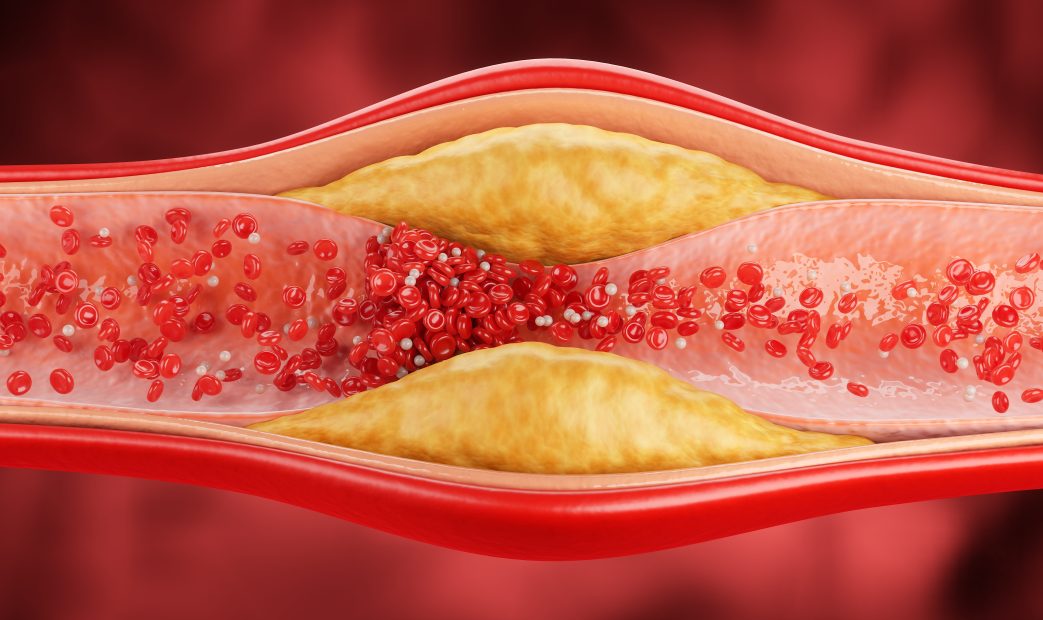
- LDL cholesterol is often called “bad” cholesterol because excess LDL can contribute to fatty deposits, or plaque, inside blood vessels.
- HDL cholesterol is often called “good” cholesterol because it helps transport cholesterol back to the liver for removal.
- Triglycerides are another form of fat in the blood and form part of a standard cholesterol test.
A single “total cholesterol” number does not provide the whole picture. LDL, HDL, triglycerides, non-HDL cholesterol and a person’s overall cardiovascular risk all need to be considered.
What did the study investigate?
Researchers followed 9,846 adults from Australia and the United States, with an average age of approximately 74.
None had dementia at the beginning of the study. Participants had cholesterol measured at the start and at three annual follow-up visits. Their memory and thinking abilities were then monitored for an average of approximately five and a half years.
The researchers were particularly interested in cholesterol variability—how much a person’s cholesterol changed between annual tests.
What did they find?
During the follow-up period:
- 509 participants developed dementia.
- People with the greatest changes in total cholesterol were approximately 60% more likely to develop dementia than those whose cholesterol remained most stable.
- Greater cholesterol variability was also associated with approximately a 23% higher risk of cognitive decline without dementia.
- Changes in LDL cholesterol appeared to be particularly important.
- Similar associations were not found for changes in HDL cholesterol or triglycerides.
These percentages describe relative risk, not the likelihood that an individual will develop dementia.
The dementia rate was approximately:
- 11.3 cases per 1,000 person-years among those with the greatest cholesterol variability; and
- 7.1 cases per 1,000 person-years among those with the most stable cholesterol.
So, while the relative difference was considerable, most participants did not develop dementia during the study.
Why might fluctuating LDL matter?
Researchers do not yet know the answer, but several possibilities have been proposed.
Changes within the blood vessels
High or unstable LDL levels may affect the fatty plaques that develop inside arteries. If plaques grow, rupture or obstruct blood flow, the brain may receive less oxygen and fewer nutrients.
Over time, vascular damage and small—sometimes unnoticed—strokes can contribute to cognitive decline and vascular dementia.
A sign of another underlying problem
Fluctuating cholesterol may reflect changes in:
- diet or body weight;
- physical activity;
- medication use or adherence;
- metabolic or inflammatory health;
- liver or thyroid function;
- frailty or another developing illness.
It is also possible that early, undetected disease processes influence cholesterol levels rather than cholesterol changes directly causing dementia.
What the study does—and does not—prove
This was an observational study. It found an association, but it cannot prove that fluctuating cholesterol causes dementia.
The study involved primarily healthy older adults, so its findings may not apply equally to younger people or those with different health conditions.
It also does not mean that reducing high cholesterol is dangerous because it creates a change in the numbers. A planned reduction through lifestyle changes or prescribed medication is very different from unexplained, repeated swings between annual tests.
The practical message is not to keep cholesterol artificially unchanged. It is to aim for healthy, consistently managed levels and discuss unexpected changes with a health professional.
How does this fit with the wider evidence?
The 2024 Lancet Commission added high LDL cholesterol in midlife to its list of potentially modifiable dementia risk factors. The Commission estimated that addressing 14 modifiable factors across life could prevent or delay up to 45% of dementia cases at a population level. (Alzheimer’s Disease International (ADI))
High LDL does not guarantee that someone will develop dementia, and healthy cholesterol cannot guarantee prevention. Dementia usually results from a complex interaction between age, genetics, cardiovascular health, lifestyle, environment and other medical conditions.
However, the growing evidence reinforces a simple principle:
Protecting your blood vessels is one important way to protect your brain.
What about statins?
Statins reduce LDL cholesterol and lower the risk of heart attack and stroke in people for whom they are clinically appropriate.
Current evidence does not show that statins increase a person’s long-term risk of dementia. Some observational studies associate statin use with a lower dementia risk, although this does not prove that statins directly prevent dementia. Their benefit may arise partly from reducing vascular disease and stroke. (Alzheimer’s Research UK)
Do not begin, stop or change cholesterol medication because of an article or an isolated blood result. Medication decisions should be based on your complete health history and discussed with your GP.
Practical steps for healthier cholesterol—and a healthier brain
Know your numbers
Ask your GP whether you are due for a lipid profile that includes:
- total cholesterol;
- LDL cholesterol;
- HDL cholesterol;
- triglycerides; and
- non-HDL cholesterol.
Rather than looking at one test in isolation, ask whether there is a meaningful pattern across your previous results.
Eat for your heart and brain
Build meals around:
- vegetables and fruit;
- wholegrains;
- beans, lentils and other legumes;
- nuts and seeds;
- fish and seafood;
- olive oil and other unsaturated fats; and
- lean, minimally processed proteins.
Limit foods high in saturated fat, salt, added sugar and highly processed ingredients. The Australian Heart Foundation notes that regular activity and a heart-healthy eating pattern can help manage cholesterol. (Heart Foundation)
Move consistently
Aerobic movement and strength training can improve cardiovascular health, triglycerides, blood pressure, blood glucose and weight—all of which influence brain health.
Aim for regular movement that is realistic for your health, mobility and current fitness level.
Take medication consistently
If medication has been prescribed, take it as directed. Starting and stopping medication or taking it inconsistently may affect cholesterol control.
Speak with your doctor or pharmacist if cost, side effects, forgetfulness or concerns are making this difficult.
Look at the full vascular picture
Cholesterol is only one part of brain-health prevention. It is also important to monitor:
- blood pressure;
- blood glucose and diabetes risk;
- smoking;
- weight and waist measurement;
- physical activity;
- sleep; and
- alcohol intake.
The HEAL connection
This research fits strongly within the four pillars of prevention:
- Healthy: Understand and manage cholesterol, blood pressure, diabetes and other vascular risks.
- Educated: Know the difference between total, LDL and HDL cholesterol—and look at patterns rather than one number.
- Active: Use regular movement and strength training to support both cardiovascular and cognitive health.
- Living: Turn medical information into sustainable everyday habits, supported by family, health professionals and community.
HEAL takeaway
Your cholesterol result is not simply a heart-health number—it may also offer valuable information about your future brain health.
The important message is not to fear every change on a blood test. It is to have cholesterol checked, understand your results, follow changes over time and work with your healthcare team to keep your cardiovascular risks well managed.
Small, consistent actions taken in midlife and beyond may help protect both the heart and the brain.
This information is educational and does not replace personalised advice from your doctor. Never stop or change cholesterol medication without speaking to the prescribing health professional.
Read the original BBC Science Focus article
Quick enquire
Ready to take the next step towards a healthier mind and a more purposeful future?
Fill out the form and our team will get back to you!