

Lifestyle Is Becoming Part of Modern Parkinson’s Care
For many years, Parkinson’s treatment has focused primarily on medication, rehabilitation and, for some people, surgical treatments such as deep brain stimulation. This important review in The Lancet Neurology examines the growing role that everyday lifestyle factors may also play in managing Parkinson’s symptoms, maintaining independence and improving quality of life.
Lifestyle support is not a replacement for medication or specialist care. Instead, the researchers propose that it should become a more consistent part of a person’s overall Parkinson’s treatment plan.
What you’ll learn
The review considers several areas that may support people living with Parkinson’s:
- Physical activity and structured exercise
- Healthy eating and adequate hydration
- Restorative sleep
- Social connection
- Cognitive stimulation
- Stress management and mindfulness
- Reduced exposure to potentially harmful environmental substances
Exercise is becoming part of treatment
Exercise currently has the strongest evidence of the lifestyle interventions examined.
Regular physical activity can help people with Parkinson’s maintain:
- Strength, mobility and balance
- Walking ability and physical function
- Confidence and independence
- Mood and emotional wellbeing
- Sleep quality
- Cognitive function
- Overall quality of life
Different activities may provide different benefits. Aerobic exercise supports cardiovascular fitness, resistance training helps maintain strength, and balance and agility exercises may reduce falls and improve everyday movement.
Dance, tai chi, yoga, boxing, cycling, aquatic exercise and walking can also combine movement with concentration, coordination and social participation.
Researchers are now investigating whether exercise might also influence the underlying progression of Parkinson’s. The early findings are encouraging, but it has not yet been conclusively demonstrated that exercise can slow or stop the disease.
Food, the gut and Parkinson’s
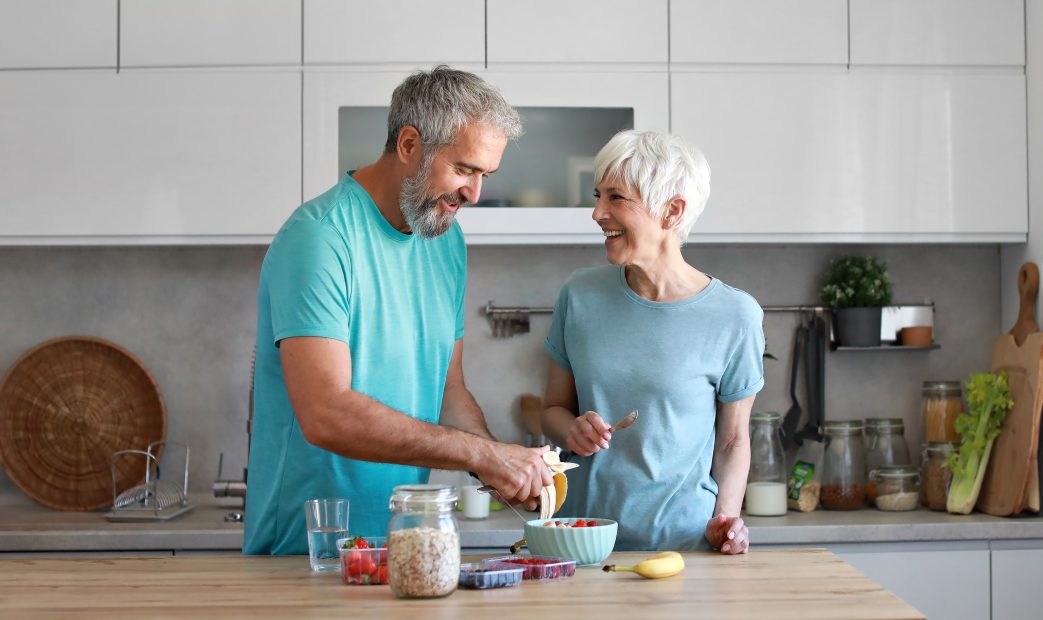
Nutrition can affect Parkinson’s in several ways. A balanced diet can support energy, muscle strength, bowel health, cardiovascular health and general wellbeing. It may also help address constipation, which is common among people living with Parkinson’s.
Mediterranean-style eating patterns—rich in vegetables, fruit, legumes, nuts, seeds, wholegrains, fish and olive oil—have been associated with better health outcomes. However, researchers still need larger, long-term clinical trials to determine whether a particular diet can alter Parkinson’s progression.
Food can also affect how some Parkinson’s medications are absorbed. In particular, dietary protein may interfere with levodopa absorption for some people. This does not mean protein should be eliminated. Protein is essential for maintaining muscle mass and preventing frailty, so changes to meal or medication timing should only be made with advice from the treating team or a qualified dietitian.
The relationship between the gut microbiome and Parkinson’s is another promising area of research, but probiotics, supplements and specialised diets have not yet been proven to prevent or treat the disease.
Sleep deserves greater attention
Sleep difficulties in Parkinson’s can include insomnia, excessive daytime sleepiness, disrupted body-clock rhythms, vivid dreams and REM sleep behaviour disorder.
Poor sleep can contribute to:
- Fatigue and reduced concentration
- Depression and changes in mood
- Falls and other safety risks
- Reduced daytime activity
- Greater pressure on families and carers
Improving sleep may require more than general sleep advice. Medication effects, nighttime Parkinson’s symptoms, sleep apnoea and other sleep disorders may need to be assessed by a doctor or sleep specialist.
Managing stress and supporting mental health
Stress can intensify both motor and non-motor Parkinson’s symptoms. Anxiety, depression and apathy are also common and may have a major effect on motivation, activity and quality of life.
Mindfulness, meditation, breathing exercises, yoga and other mind–body activities may help some people manage stress and emotional distress. These approaches are most useful as part of a broader care plan and should not replace professional mental-health treatment when it is needed.
Staying socially and mentally engaged
Parkinson’s can gradually make social participation more difficult. Changes in speech, facial expression, mobility, confidence and energy may cause people to withdraw from activities and relationships.
Social isolation is associated with poorer wellbeing and more severe non-motor symptoms, including depression, anxiety, apathy, fatigue, sleep problems and cognitive difficulties.
Group exercise, dancing, music, art, support groups, community activities and time with family and friends can provide more than entertainment. They can support movement, communication, cognition, identity, connection and purpose at the same time.
One approach will not suit everyone
One of the review’s most important messages is that lifestyle support must be personalised.
Parkinson’s symptoms can fluctuate throughout the day and change as the condition progresses. Exercise and activities may need to be planned around medication response, mobility, fatigue, cognition, falls risk and personal interests.
People with more advanced Parkinson’s should not be excluded. They may require adapted activities, additional support and input from Parkinson’s-informed physiotherapists, occupational therapists, speech pathologists, dietitians and other health professionals.
HEAL takeaway
Living well with Parkinson’s is about more than managing movement symptoms.
Medication and specialist care remain essential, but everyday routines can also support physical function, cognitive health, emotional wellbeing, connection and independence. Movement, nourishing food, sleep, learning, relationships and meaningful activities all have a place in modern Parkinson’s care.
This research reflects the complete HEAL approach: Healthy, Educated, Active Living. The goal is not a perfect lifestyle or a promise to stop Parkinson’s. It is to help each person take realistic, supported steps towards living as well as possible—one step at a time.
Read the review in The Lancet Neurology
A quick note from HEAL: This summary is for general education and does not replace personalised medical advice. Exercise, dietary or medication changes should be discussed with the person’s treating health professionals.
Quick enquire
Ready to take the next step towards a healthier mind and a more purposeful future?
Fill out the form and our team will get back to you!