

Parkinson’s Care Is About More Than Movement
Parkinson’s is often recognised by its movement symptoms—tremor, stiffness, slowness and changes in balance or walking. However, these are only part of the condition.
This comprehensive review, published in Movement Disorders Clinical Practice, argues for a more holistic approach to Parkinson’s care. It brings together physical activity, nutrition, sleep, mental health, cognition, pain, constipation, social connection, creativity, sexual health and personal purpose.
The central message is that successful Parkinson’s care should not focus only on controlling symptoms. It should also help the person maintain independence, identity, relationships and quality of life.
What you’ll learn
The article explores how wellbeing can be supported through:
- Individually tailored exercise
- Nutrition and hydration
- Better recognition and treatment of sleep problems
- Mental-health screening and support
- Stress management and mind–body practices
- Music, dance and creative activities
- Social connection and meaningful participation
- Greater support for self-management
- Coordinated, multidisciplinary healthcare
Exercise is a central part of Parkinson’s care
Exercise has some of the strongest evidence among the lifestyle approaches considered.
Regular physical activity can improve:
- Mobility, strength and physical function
- Walking, balance and posture
- Confidence with everyday movement
- Sleep and constipation
- Pain
- Anxiety and depression
- Some aspects of cognition
- Overall quality of life
Current recommendations discussed in the article include approximately 150 minutes of moderate-to-higher-intensity aerobic exercise each week, strength training at least twice a week, regular stretching, and activities targeting balance, agility and multitasking.
These are broad recommendations, not a prescription for every person. Exercise must be adapted to the individual’s stage of Parkinson’s, physical capacity, falls risk, cognition, medical conditions and personal goals.
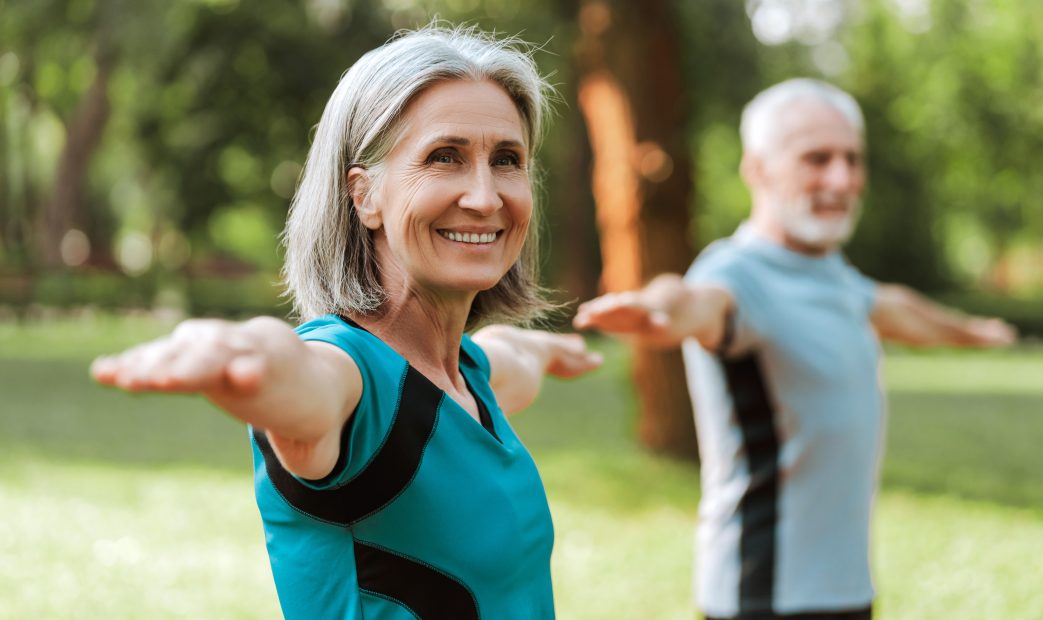
Dance, tai chi, yoga, boxing, aquatic exercise, Pilates, Nordic walking and other activities may all be useful when they are safe, enjoyable and sustainable.
Researchers are also examining whether exercise can slow Parkinson’s progression, but this has not yet been conclusively established.
Nutrition affects more than general health
Parkinson’s can make eating well increasingly difficult.
Tremor, stiffness, swallowing problems, reduced smell and taste, nausea, constipation, delayed stomach emptying, depression, apathy and cognitive changes can all affect food intake. The review notes that approximately one-third of study participants living with Parkinson’s were considered at risk of malnutrition.
Mediterranean-style eating patterns—featuring vegetables, fruit, legumes, nuts, seeds, wholegrains, fish and olive oil—currently have some of the strongest supportive evidence. However, much of the research is observational, so it cannot prove that these diets slow Parkinson’s progression.
Protein can interfere with levodopa absorption for some people, but reducing protein without appropriate advice can contribute to muscle loss, frailty and poorer function. Any change to protein or medication timing should be guided by the person’s treating team or dietitian.
Hydration is also important. Inadequate fluid intake can worsen constipation, low blood pressure, dizziness and cognitive difficulties, although fluid recommendations may need to be adjusted for other medical conditions.
Constipation should not be overlooked
Constipation is one of the most common non-motor features of Parkinson’s and may appear years before movement symptoms.
It can be affected by:
- Changes in the autonomic nervous system
- Reduced physical activity
- Inadequate fluid or fibre intake
- Medication
- Difficulty accessing or using the toilet
- Slower movement through the digestive system
Constipation is not simply an inconvenience. It can affect comfort, appetite, medication absorption, mood and everyday participation. It should be assessed and managed as part of the person’s overall Parkinson’s care.
Research into probiotics, prebiotics and other microbiome treatments is growing, but the evidence is not yet strong or consistent enough to recommend them as Parkinson’s treatments.
Sleep is a vital part of wellbeing
Sleep difficulties are extremely common in Parkinson’s. These can include insomnia, excessive daytime sleepiness, nighttime movement symptoms, sleep apnoea and REM sleep behaviour disorder.
Poor sleep can worsen:
- Fatigue
- Thinking and concentration
- Depression and anxiety
- Balance and falls risk
- Daytime participation
- Quality of life for both the person and their carers
Improving sleep may involve regular routines, daytime movement, exposure to natural light, stress management, medication review or treatment of an underlying sleep disorder. Persistent sleep problems should be professionally assessed rather than accepted as an unavoidable part of Parkinson’s.
Mental health needs proactive attention
Anxiety, depression, apathy and psychosis can have as much effect on daily life as movement symptoms.
The authors argue that care should not wait until someone reaches a crisis. Mental-health screening should be repeated over time because symptoms can emerge or change as Parkinson’s progresses.
Treatment may involve:
- Psychological therapy
- Medication review
- Regular physical activity
- Behavioural activation
- Mindfulness and relaxation practices
- Social participation
- Support for families and carers
Apathy deserves particular attention. It can look like laziness or unwillingness, but it may be a neurological symptom affecting motivation and initiation. The person may require encouragement, structure and carefully chosen activities rather than criticism or pressure.
Mind–body activities may support several needs
Yoga, tai chi, qigong, mindfulness and meditation may help with stress, mood, balance and quality of life. These activities can often be modified for people with different abilities, including chair-based options.
Mindfulness may also help people adjust to the unpredictability and emotional demands of living with a progressive condition.
The research is encouraging, but study methods vary considerably. These activities should be viewed as supportive approaches—not treatments that can stop Parkinson’s.
Music, art and dance are meaningful interventions
Creative activities can combine physical, cognitive, emotional and social benefits.
Rhythm and music may support walking, balance, speech and movement initiation. Singing can encourage stronger voice production and breathing, while dance combines movement, coordination, memory and social interaction.
Art can support fine-motor activity, visual processing, communication and emotional expression. These activities also allow people to participate in something enjoyable and meaningful without every interaction being centred on their diagnosis.
Social connection is part of healthcare
Changes in speech, facial expression, movement and confidence can make social participation more difficult. People may withdraw because of fatigue, embarrassment, anxiety or fear of being misunderstood.
Loneliness and social isolation are associated with poorer quality of life and greater problems with depression, anxiety, apathy, cognition, sleep and fatigue.
The article proposes that social connection should be discussed during healthcare appointments. Useful options might include:
- Parkinson’s support groups
- Group exercise or dance
- Creative and community activities
- Time with friends and family
- Volunteering
- Faith or cultural groups
- Activities built around a shared interest or purpose
The goal is not simply to keep someone occupied. It is to help them remain connected, valued and involved.
Meaning, identity and purpose still matter
A Parkinson’s diagnosis can alter a person’s roles, plans and sense of identity. Care can become dominated by medication schedules, appointments and symptom monitoring.
The article highlights the importance of helping people continue to experience meaning and purpose. This might come from relationships, creativity, learning, caring for animals, contributing to the community or working towards a personally important goal.
Activities should therefore be based on who the person is—not only on what clinicians or support workers believe will be therapeutic.
Care should be personal and coordinated
Holistic care does not mean giving every person a long list of lifestyle instructions. It means identifying what matters most to that individual and coordinating support around their changing needs.
Depending on those needs, care may involve neurologists, general practitioners, Parkinson’s nurses, physiotherapists, occupational therapists, speech pathologists, dietitians, psychologists, sleep specialists and support workers.
The person living with Parkinson’s and their family should remain at the centre of this team.
HEAL takeaway
Parkinson’s affects the whole person—not only their movement.
Medication and neurological care remain essential, but living well can also be supported through movement, nourishing food, sleep, emotional care, cognitive stimulation, creativity, relationships and purpose.
This reflects the HEAL approach: Healthy, Educated, Active Living. A meaningful Parkinson’s support plan should not simply manage symptoms or fill the day. It should help the person remain physically engaged, mentally stimulated, socially connected and involved in the decisions that shape their life.
The aim is not perfection or a promise to change the course of the disease. It is to create realistic opportunities for each person to live as well as possible.
Read the full article in Movement Disorders Clinical Practice
A quick note from HEAL: This summary is for general education and does not replace personalised medical advice. Exercise, dietary, medication or treatment changes should be discussed with appropriately qualified health professionals.
Quick enquire
Ready to take the next step towards a healthier mind and a more purposeful future?
Fill out the form and our team will get back to you!